
Fast wear after a suspension lift is almost always geometry that has moved outside the tyre’s operating window, or geometry that reads fine on the alignment rack but shifts under load because something is worn or working at a new angle. Either way, the tread is telling you what the rest of the chassis will not.
This piece works through the common post-lift wear patterns, what causes each one, and how to confirm the fault before throwing parts at it. If you have just done a lift and the rubber is disappearing, start here.
Before anything else: if cords are visible, a sidewall is bulging, or the tread is down to the wear indicators, replace the tyre before diagnosing. If the vehicle wanders under brakes or has loose steering, treat it as urgent. Tyre wear and steering instability often share the same root cause.
Why a lift changes how tyres wear
Tyres wear prematurely when one or more of these conditions exists: the tyre is being dragged sideways as it rolls (toe scrub), the tyre is leaning and loading one shoulder harder than the other (camber), the wheel angles shift on bumps, braking, or cornering because bushes and joints are worn or operating outside their ideal range, or pressures do not match the actual load and tyre construction so the contact patch is distorted.
A lift can make any of these worse. The most common offender by a wide margin is toe, because even a fraction of a degree of toe error generates continuous sideways scrub across the full width of the tread. According to Yokohama’s technical alignment data, a toe error of just 1/32 of an inch can cause each tyre on that axle to scrub roughly 3.5 feet sideways for every mile driven. Over thousands of kilometres, that eats rubber fast.
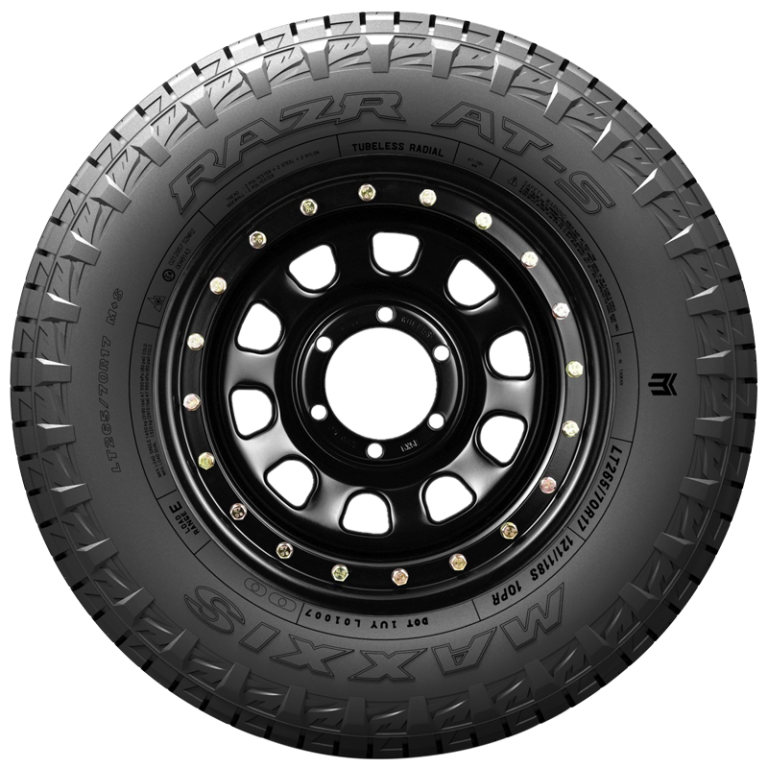
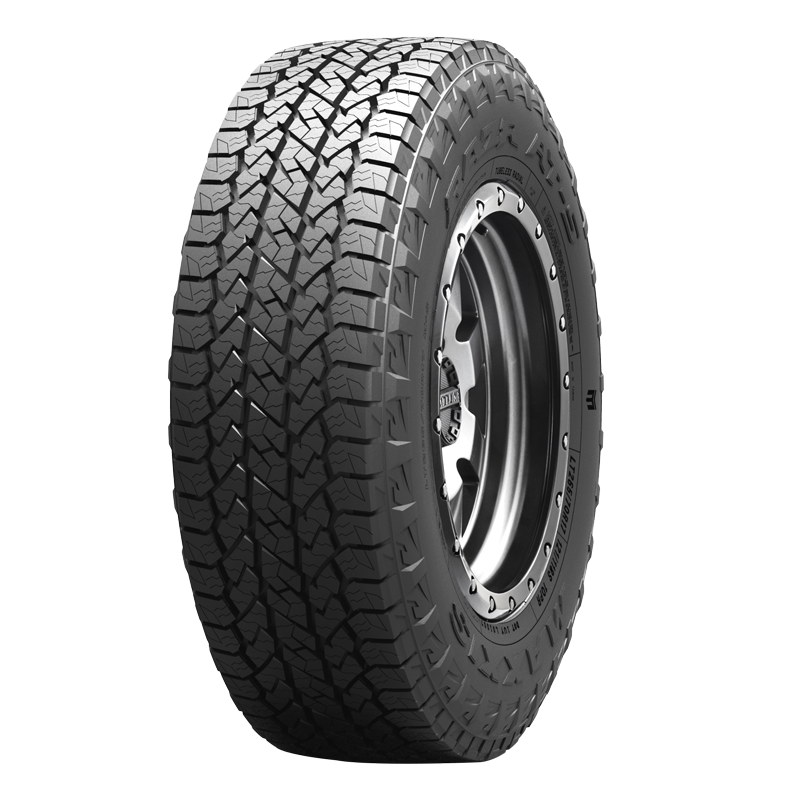
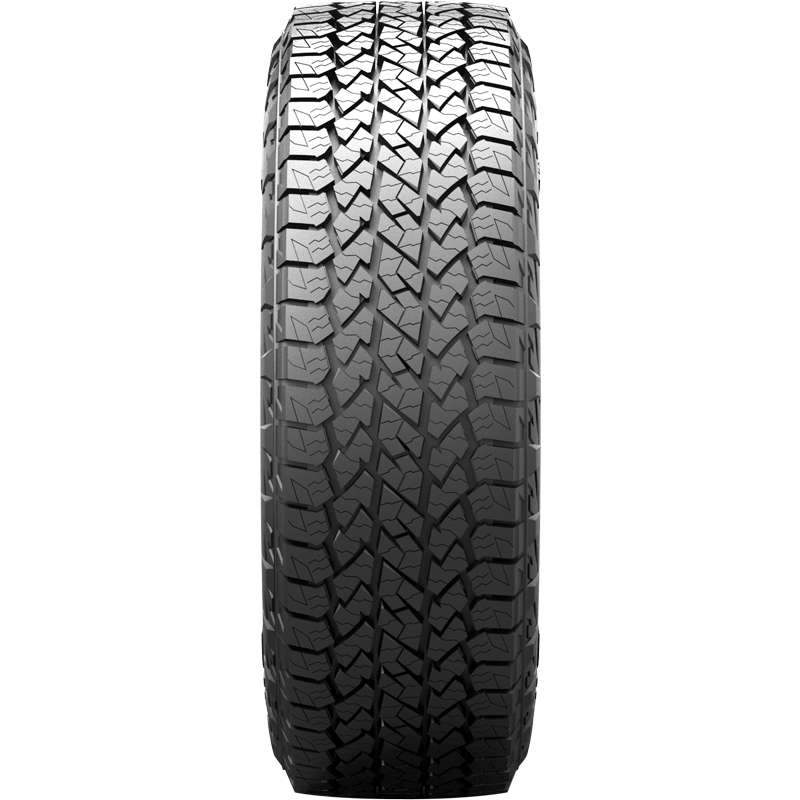
What the wear pattern is telling you
| Wear pattern | What it looks like | Common causes after a lift | What confirms it |
|---|---|---|---|
| Feathering | Sharp one way, smooth the other across tread blocks | Toe set incorrectly or toe drifting due to worn tie rod ends, rack ends, or steering joints | Alignment toe readings plus free-play inspection |
| Inside edge wear | Inner shoulder wears faster than the rest | Negative camber, toe-out, caster loss leading to alignment compromises, wheel offset changes | Alignment readings plus check for bush movement under load |
| Outside edge wear | Outer shoulder wears faster | Toe-in, positive camber, under-inflation with highway use | Alignment readings plus pressure history and load assessment |
| Cupping or scalloping | Dips around the circumference, often noisy at speed | Weak dampers, worn bushes, imbalance, tyre runout, corrugation use | Damper condition check, balance report, bush play inspection |
| Both shoulders worn | Both edges worn, centre better | Under-inflation, heavy loads, frequent low-pressure off-road use without reinflation | Pressure check, load assessment, wear consistency across tyres |
| Centre wear | Centre worn more than shoulders | Over-inflation, especially unloaded highway use | Pressure check and tyre construction suitability review |
The three post-lift killers workshops see most often
Toe that is wrong, or toe that will not hold
Toe is the single biggest factor in post-lift tyre wear. After a lift, toe can be set correctly on the rack and still not hold on the road if tie rod ends or rack ends have developed play, if lower control arm bushes allow the arm to shift under braking loads, if steering rack mounts are soft or worn on the platform in question, or if the lift has pushed components into an angle where compliance is higher and the setting drifts under load.
What to ask for: front and rear toe readings, and confirmation of whether any play was found during the inspection. If play exists in any steering or suspension joint, it must be repaired before the alignment is set.
Caster loss that makes the vehicle wander
When caster drops after a lift, the steering loses self-centring force. The vehicle feels vague on centre and the driver unconsciously corrects more, especially on coarse-chip surfaces or rutted highways. That constant micro-correction can accelerate shoulder wear, and it often pairs with a toe setting that was adjusted to mask the vagueness rather than to protect the tyres.
What to ask for: caster level and left-to-right balance, and whether aftermarket correction components are recommended for the platform and lift height.
Dynamic movement from tired bushes and ball joints
A lift changes the resting angle of every arm and joint in the front end. If a bush is already fatigued, the new angle and the changed leverage can allow it to move more under load than it did at stock height. On the alignment rack, with no dynamic forces acting on the suspension, the numbers look fine. On the road, they are not fine.
What to ask for: whether control arm bushes and ball joints were checked under load for movement, not just visually inspected.
Pressures and load deserve more attention after a lift
A lifted 4x4 that has been built for touring usually carries more mass than it did in factory trim: bull bar, winch, steel tray or canopy, drawer system, long-range fuel, water tanks, roof load. The tyre pressures that worked when the vehicle weighed 2,200 kg may not work when it weighs 2,800 kg.
Common traps include running low pressures off-road and forgetting to reinflate before highway speeds, using one pressure for all conditions regardless of load, and switching to a heavier construction tyre without adjusting pressures to suit the stiffer sidewall.
What helps: set pressures based on actual axle load and the tyre manufacturer’s load-pressure tables, then monitor wear across the full set rather than assuming the same pressure suits every trip.
Simple checks that help describe the problem accurately
Is it front, rear, or one corner?
Front wear usually points to steering geometry or front suspension movement. Rear wear can indicate rear alignment, trailing arm bush wear, or damper condition. One tyre wearing much faster than its partner on the same axle points to a single worn component or asymmetric geometry.
Does the vehicle change behaviour under brakes?
If it wanders or changes direction when braking, suspect bush movement or toe change under load. That is both a tyre wear cause and a safety concern.
Does the wear match the rotation history?
If you have been rotating regularly and the wear is still aggressive on the same axle, it is more likely a geometry or component issue than tyre quality.
What to do first
What a good fix looks like
If the wear stabilises, the fix worked. If it does not, something is still moving.
This article is written by a repair shop. Use it as a benchmark to compare any provider, and ask to see evidence behind every recommendation.
Further reading
These independent sources provide additional technical background on the topics covered in this article. None are affiliated with Xtreme 4x4 or its suppliers.
NSW Government – Roadworthiness standards and tyre requirements for registered vehicles in New South Wales.
Bridgestone Australia – Wheel alignment: what caster, camber, and toe do and why alignment matters for tyre life.
Bridgestone Australia – Tyre care and maintenance: rotation intervals, pressure management, and tread inspection.
Yokohama (commercial vehicle division) – Technical alignment guide: how toe, camber, and thrust angle affect tyre wear.
SuperPro Europe – Steering and wheel alignment angles explained: technical reference for toe, camber, caster, and setback.