
Most four wheel drives on the road are a mix of factory parts and aftermarket upgrades.
Specialist publications and industry bodies have spent years warning that the most important modifications are not just the ones you can see, but the way they interact
Tyres and suspension set the foundation
Australian off road guides and tyre manufacturers highlight that larger diameter tyres can
Better Together
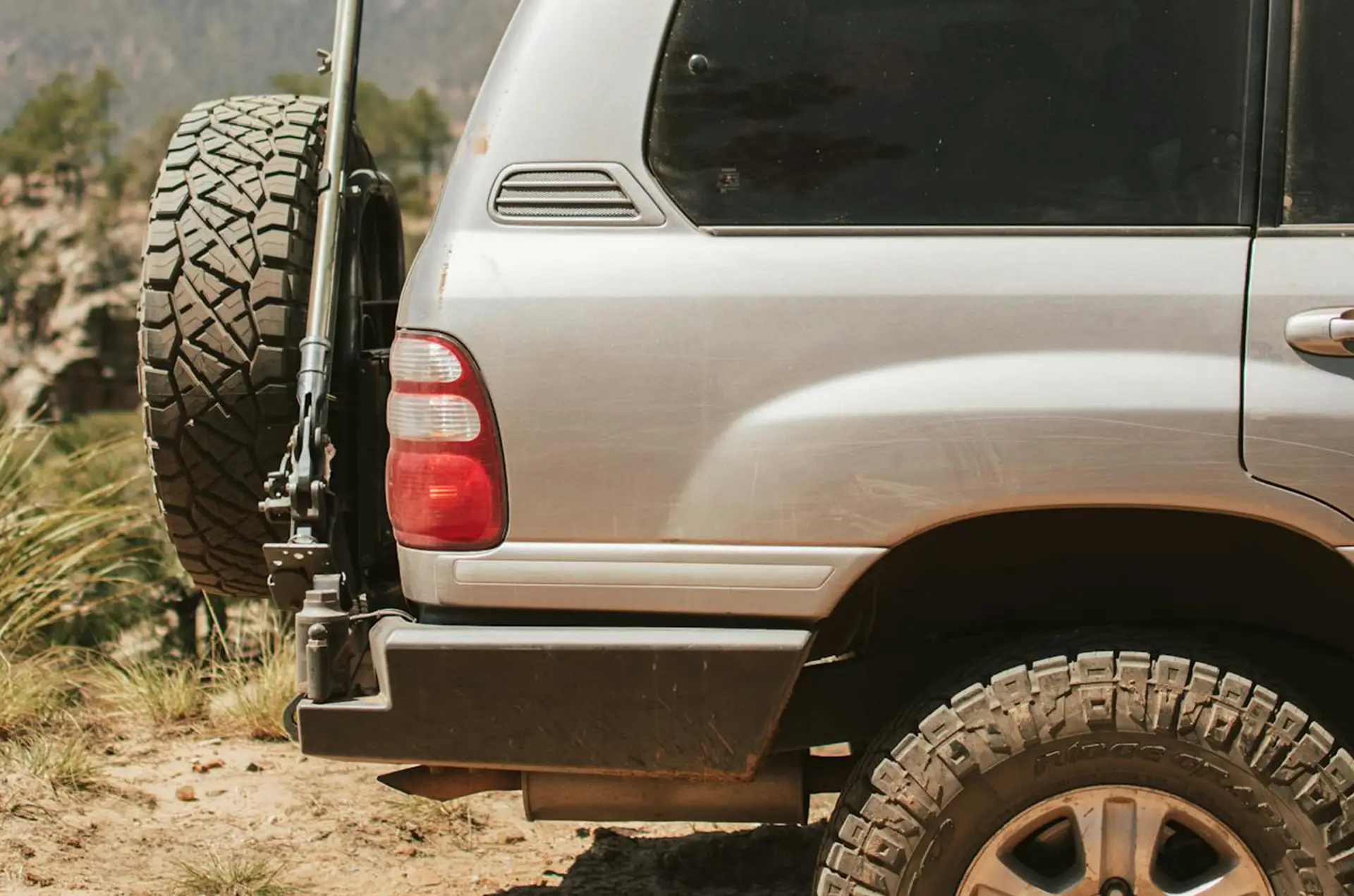
Weight, GVM and how loads really move
Once accessories, passengers, fuel and cargo are added, weight often becomes the most important part of the build.
Technical articles on GVM and loading explain that putting more mass at each end of the vehicle increases pitch under braking and acceleration and can amplify body roll. That extra movement increases stopping distance because the front brakes are asked to handle more of the work.
GVM upgrade specialists and touring publications make a related point. A legal GVM upgrade can allow a vehicle to carry more weight, but it is not just a paperwork exercise. The package usually involves uprated suspension components to help the vehicle manage the extra load in a controlled way. https://www.touringsolutionsaustralia.com.au/gvm-upgrades
In practice, that means a “smart” upgrade plan will treat weight and suspension as a single system.
What makes a well planned 4WD solution?
Tyres, pressures and braking
Larger, more aggressive tyres are often the first change owners make. Reputable tyre makers and touring guides point out that while taller tyres can improve traction, they also alter gearing, increase rolling resistance and can increase fuel consumption.
On loose surfaces, safety agencies such as NRMA recommend adjusting pressures, knowing the vehicle’s limits and paying attention to how corrugations and bumps affect the car. NRMA Site+1 A suspension or tyre upgrade that ignores braking performance, or the way the vehicle behaves on dirt at reduced pressures, is only half finished.
In practical terms, that means
Legal and insurance limits are part of the system
Australian guidance from state transport departments, industry councils and insurers consistently stresses that tyre diameter, lift height and track width changes can all affect whether a vehicle remains road legal.
While the exact rules differ between jurisdictions, common threads include

A simple way to think about upgrades lution?
| Upgrade area | Main purpose in a build | Common flow-on effects described in sources |
|---|---|---|
| Larger off road tyres | Traction, flotation, diff clearance | Alters gearing, can reduce fuel efficiency, changes handling and braking |
| Suspension lift | Ground clearance under body, wheel travel, load support | Changes centre of gravity and body movement, can affect stability if poorly planned |
| Bar work and winch | Protection, recovery capability | Adds weight to vehicle ends, increases pitch and can lengthen stopping distance |
| Roof rack and rooftop load | Extra storage, touring convenience | Raises centre of gravity and side load, increasing body roll on corners |
| GVM upgrade | Higher legal load limit | Requires matched suspension components and careful load management |
Service and inspection keep the system honest
Motoring organisations and 4WD writers repeatedly recommend having a vehicle inspected by a qualified mechanic before significant off road trips, particularly once the car has been modified.
For a specialist 4WD workshop, a smart service after a series of upgrades will look at
This kind of inspection treats the vehicle as a system, rather than a collection of separate parts. It also creates a record of how the vehicle behaves in its modified form, which can be important over time.
FAQ
Do I plan upgrades in one go or step by step
Industry advice often suggests starting with a clear end goal, even if the build happens in stages. That makes it easier to choose components that work together instead of replacing parts repeatedly. Tyre size, intended load and likely GVM upgrade are useful starting points. Hema Maps Online Shop Touring Solutions Australia
The answer depends on the state or territory. Transport agencies publish modification guides that spell out limits for tyre diameter, lift height and other changes. Industry groups such as the Australian 4WD Industry Council have also published commentary on how these rules have evolved. Owners need to check current documents for their location and seek engineering advice if in doubt. 4wdcouncil.com.au Department of Transport and Main Roads Transport Victoria
Not always. Some vehicles remain under their factory GVM even with accessories and camping gear. The only reliable way to know is to weigh the vehicle in full touring trim. Where the weight is close to or over the limit, recognised GVM upgrade programs that include suspension changes and certification are the usual path. Caravan World Australia 4X4 Australia | Touring Solutions Australia
There is no single test that covers every situation, but practical steps include a conservative shakedown trip on familiar roads, checking braking and steering feel, watching for unusual tyre wear and listening for contact or clunks from the suspension. Combined with a professional inspection, this helps confirm that the upgraded parts are working together as intended.