
Experience from the workshop floor
Modifying a 4WD is part of the culture. It’s how owners make their rigs personal.
But too many builds don’t last. We see new vehicles in for repair months after major modifications — wiring faults, suspension failures, or components worn out long before they should be.
The problem isn’t enthusiasm. It’s planning and execution.
But too many builds don’t last. We see new vehicles in for repair months after major modifications — wiring faults, suspension failures, or components worn out long before they should be.
The problem isn’t enthusiasm. It’s planning and execution.
The Chain Reaction of Poor Planning
A single weak point in a build can create a domino effect through the rest of the vehicle.
Common examples:
Common examples:
Each one alone seems minor, but together they shorten the life of the vehicle.
Copy-and-Paste Builds Don’t Work
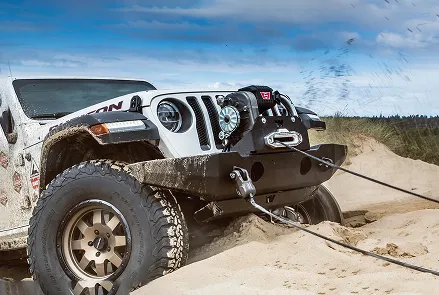
Every 4WD is different. Copying a setup from social media rarely works because weight, balance, and usage vary. You should measure and consider the real corner weights, discuss how the vehicle is driven, and design your setup accordingly.
A reliable build is specific to the vehicle and its purpose, not a parts list from the internet.
Electrical Mistakes Are the Hidden Problem
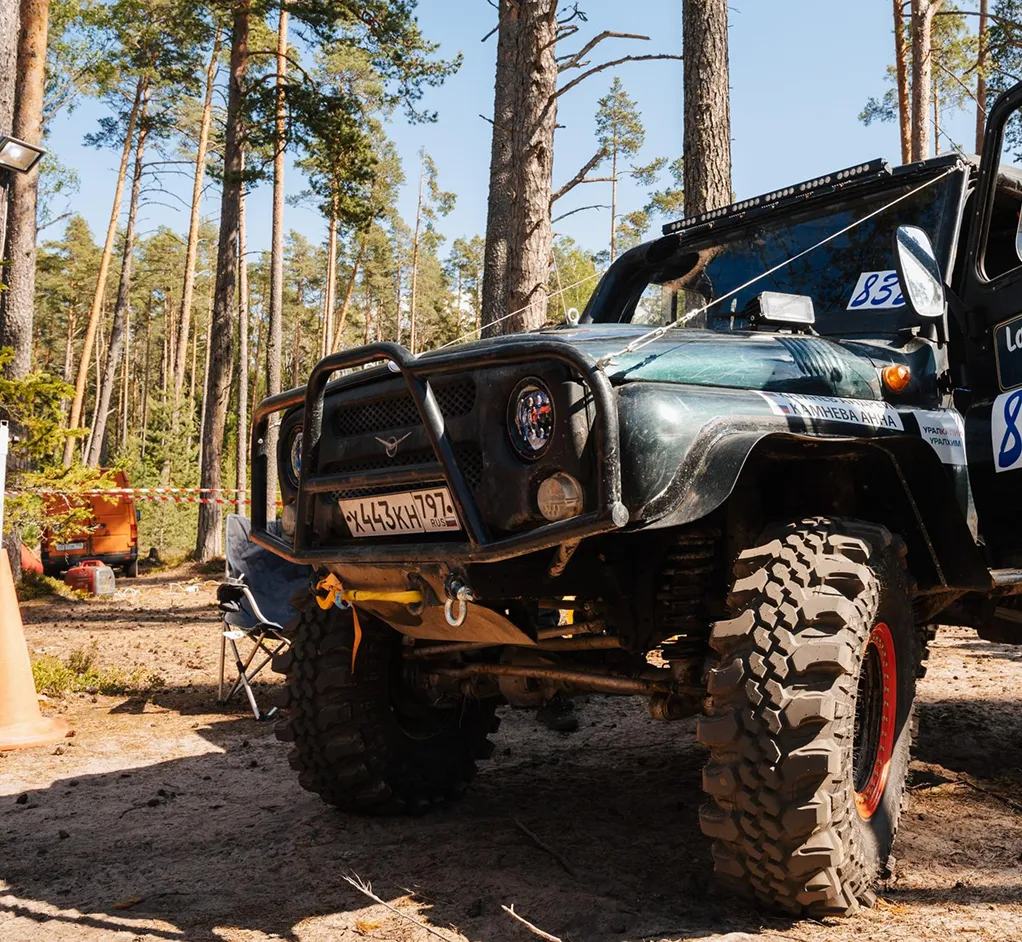
Modern 4WDs rely on complex electronics. Poor wiring causes slow failures that are hard to trace.
We see dual-battery systems running through undersized cables, or light bars drawing power from circuits never meant for them. These shortcuts create voltage drops and erratic faults that cost more to diagnose than they would have to do properly the first time.
Good auto-electrical work takes time, correct connectors, and tidy routing. There’s no shortcut.
We see dual-battery systems running through undersized cables, or light bars drawing power from circuits never meant for them. These shortcuts create voltage drops and erratic faults that cost more to diagnose than they would have to do properly the first time.
Good auto-electrical work takes time, correct connectors, and tidy routing. There’s no shortcut.
The Value of Quality Parts and Fitment
There’s a reason premium parts exist. Shock valving, steel quality, and corrosion resistance are real differences, not marketing lines. Cheap components often fail mid-trip, costing downtime, recovery, and more money in replacement.
We only use equipment that’s survived our own testing: ARB, TJM, Warn, Tough Dog, King Springs, and others we trust.
We only use equipment that’s survived our own testing: ARB, TJM, Warn, Tough Dog, King Springs, and others we trust.
How to Build a Reliable Rig
Plan in sequence.
Add permanent accessories before finalising suspension.
Match components.
Spring rates, shocks, and tyres must work together.
Use certified parts.
Anything affecting structure or safety needs approval.
Test before long trips.
One short shakedown run reveals a lot.
Reliability is built through process and precision, not guesswork.
When to Get Help
If your 4WD feels unbalanced after recent mods, or you’re chasing recurring electrical issues, bring it in.
We can assess suspension geometry, wiring, and load setup to make sure everything functions as a system.
FAQs
Yes. We regularly re-engineer vehicles from other workshops to restore correct geometry and function.
We work directly with licensed certifiers to ensure all modifications meet NSW compliance requirements.
Yes. Quality parts last longer and protect other systems, saving money and downtime in the long term.